Signed in as:
filler@godaddy.com


Symptoms are often late indicators of health issues. Lab markers can reveal changes in the body months or years before symptoms appear, allowing for earlier intervention.
By catching subtle shifts early, you can help clients address problems before they become serious.
Feelings are subjective and can vary widely. Lab results provide concrete, objective numbers that you can track over time and use to guide specific recommendations.
This data-driven approach takes the guesswork out of wellness planning.
Because blood circulates through every organ and system, a single lab panel can provide insights into the liver, kidneys, thyroid, heart, immune system, hormones, and metabolism—all at once.
This comprehensive view supports a holistic approach to health.
Lab data moves care from guessing to knowing. It enables you to tailor recommendations to each client’s unique biology and focus on prevention, not just reaction.
This is what sets proactive wellness apart from traditional, symptom-based care.
Think of labs like a dashboard. You wouldn’t drive a car and ignore every warning light—labs let us see what’s happening under the hood, before the check engine light comes on.
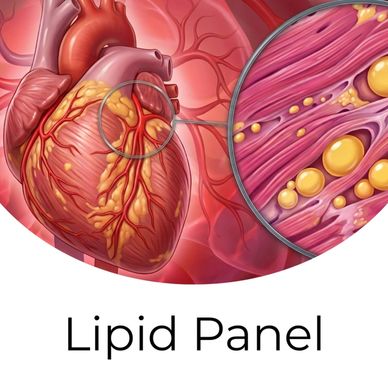
The lipid panel measures total cholesterol, HDL (good cholesterol), LDL (bad cholesterol), triglycerides, and related ratios. These markers help identify cardiovascular risk and metabolic function, even before symptoms arise.
By understanding these numbers, you can support clients in making changes that protect their heart and blood vessels for the long term.
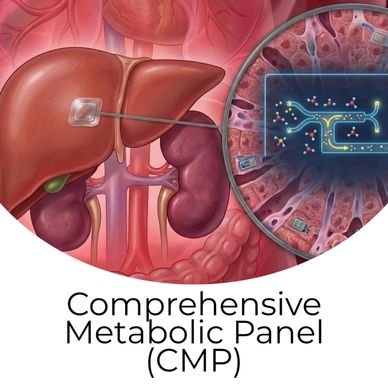
The CMP checks blood sugar, kidney markers (BUN, creatinine, eGFR), liver enzymes, and electrolytes like sodium and potassium. It gives insight into hydration, organ function, and overall metabolic health.
This panel helps catch early signs of organ stress or imbalance, so you can guide clients toward better nutrition and lifestyle choices.
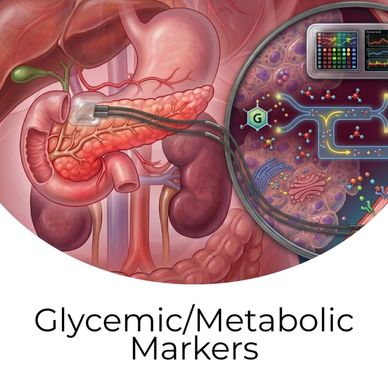
These markers include Hemoglobin A1c, fasting insulin, ApoB, and hs-CRP. They track blood sugar regulation, insulin sensitivity, cholesterol particle count, and inflammation levels.
Monitoring these helps spot early metabolic changes and systemic inflammation, supporting prevention before chronic issues develop.
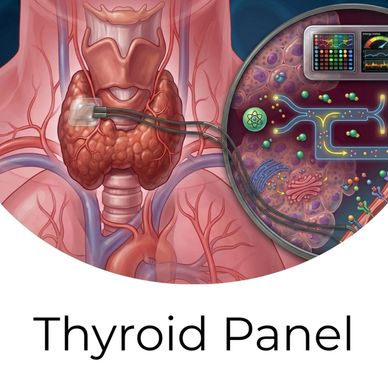
The thyroid panel measures TSH, Free T4, and Free T3—hormones that control metabolism, energy, mood, and temperature regulation.
Identifying imbalances here can explain changes in energy, weight, or mood, and guide targeted support for optimal wellness.
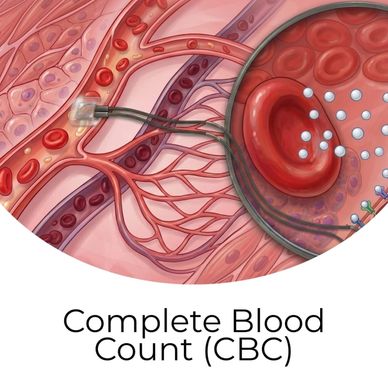
The CBC looks at white and red blood cells, hemoglobin, hematocrit, and platelets. It helps assess immune health, detect anemia, and evaluate oxygen-carrying capacity.
This information is key for understanding fatigue, infection risk, and overall vitality.

This category measures vitamin B12 and vitamin D—nutrients vital for nerve function, immunity, energy, and bone health.
Deficiencies are common and can impact many aspects of health, making these markers important for foundational wellness.
The range of lab values considered typical for the general population, used to detect disease.
A narrower set of lab values based on research for peak health, prevention, and performance.
The process where a licensed physician identifies and names a disease or condition.

Using data and strategies to catch problems early, before they become diagnosable conditions.
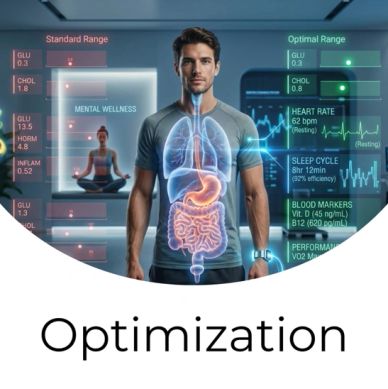
Going beyond ‘normal’ to help someone feel, function, and perform at their best.